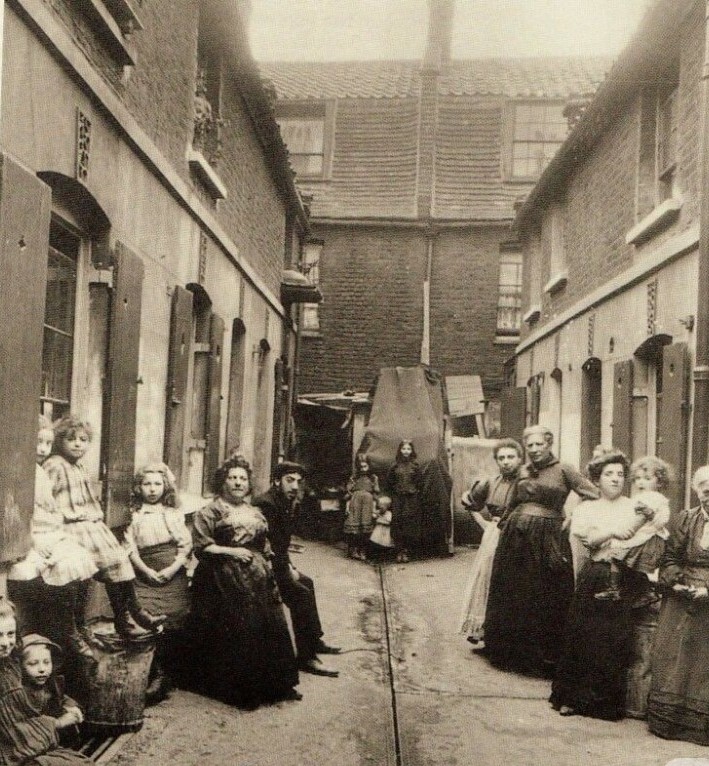
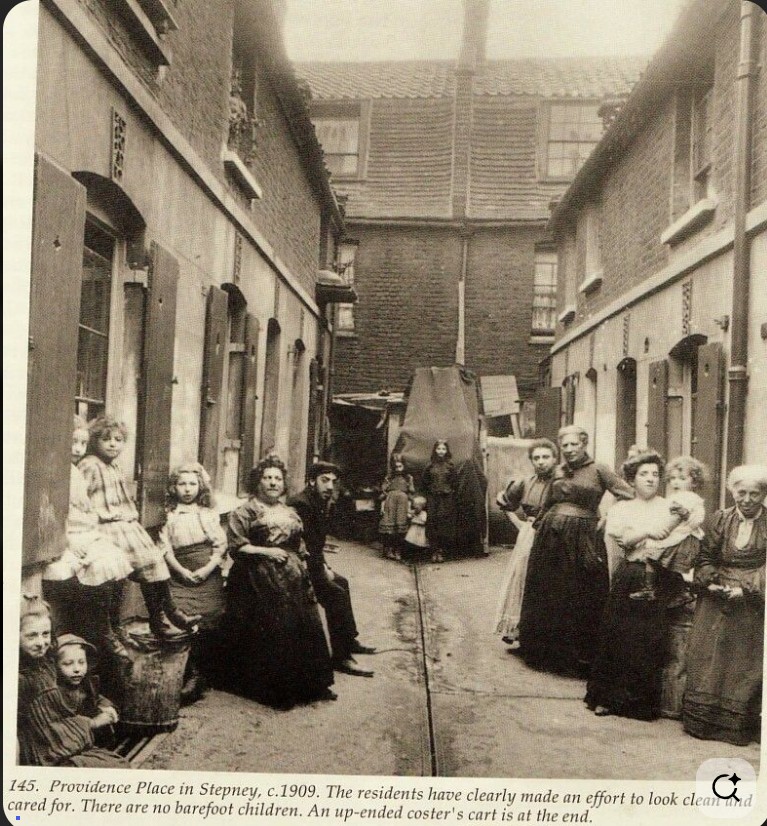
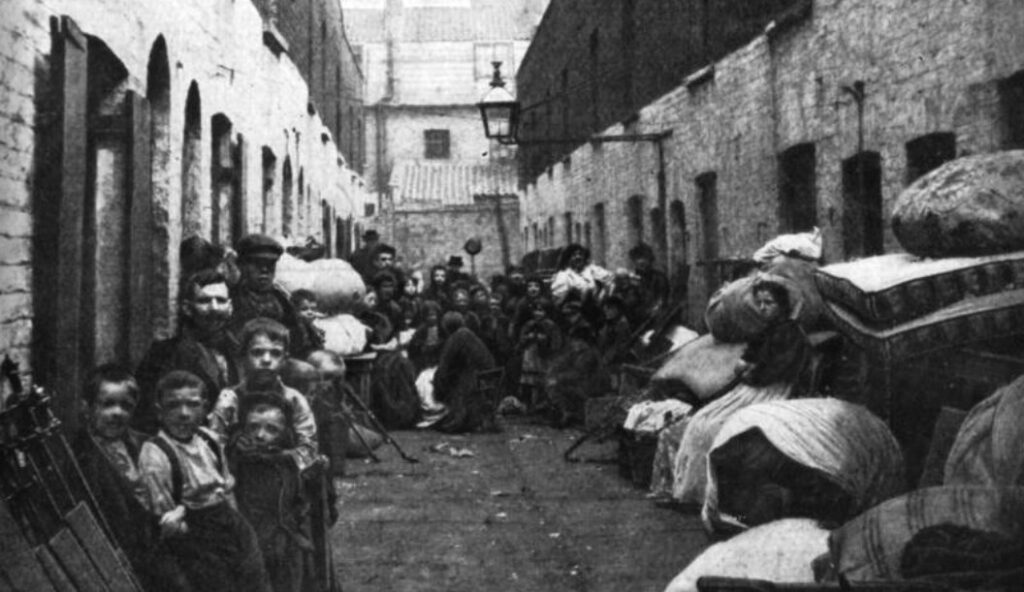
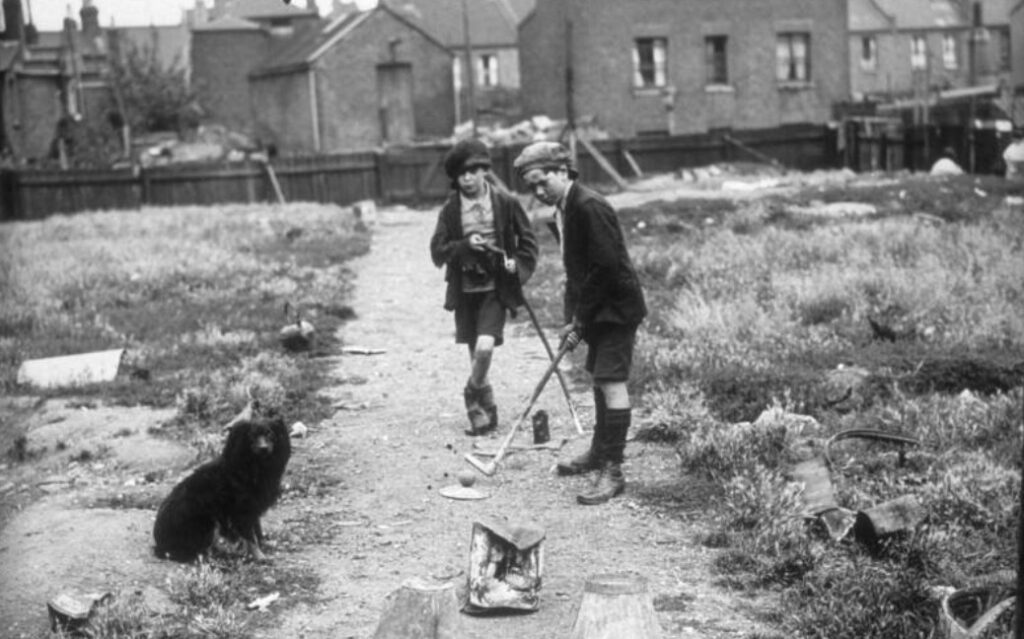
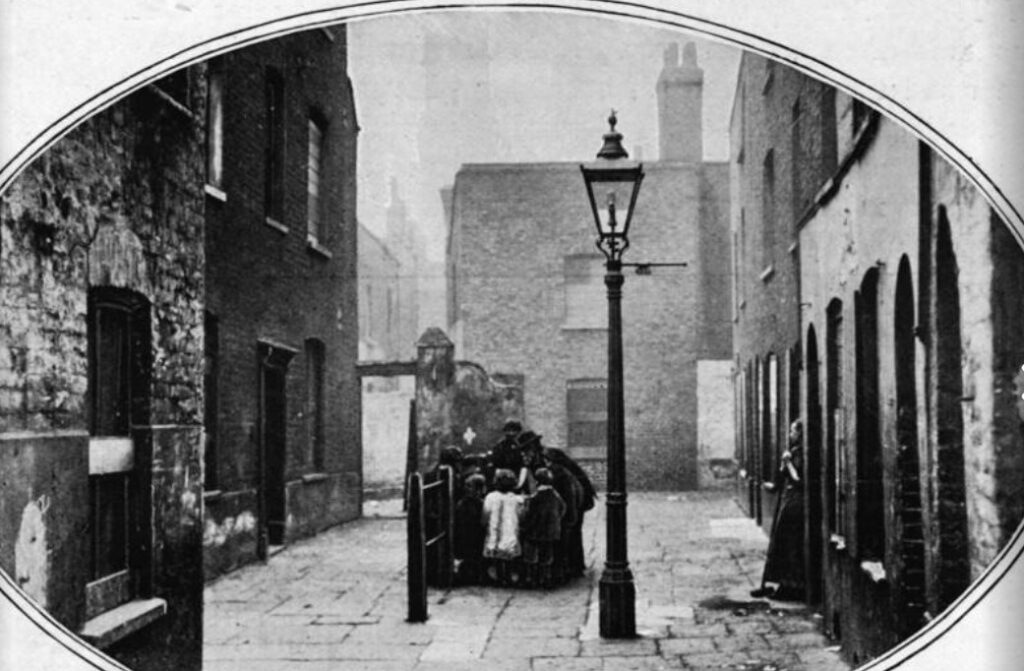
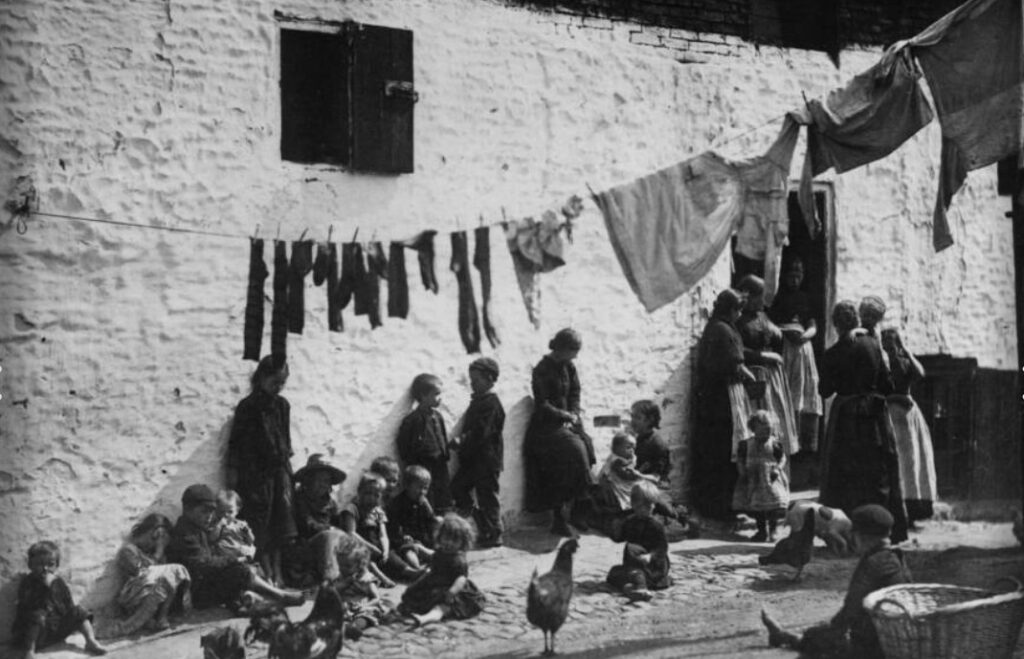
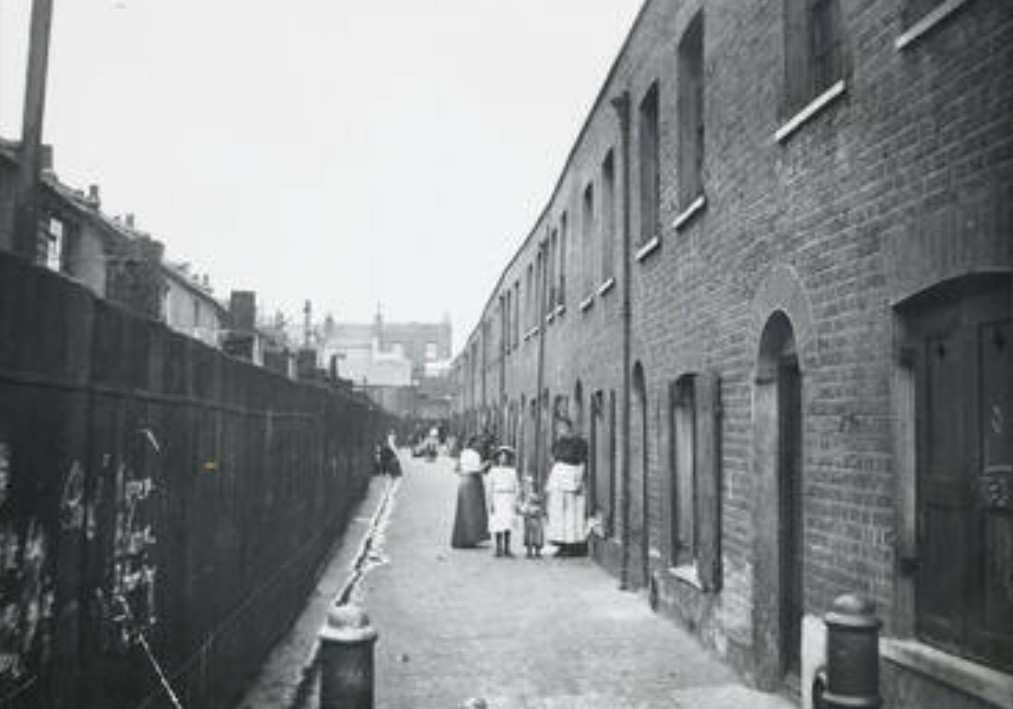
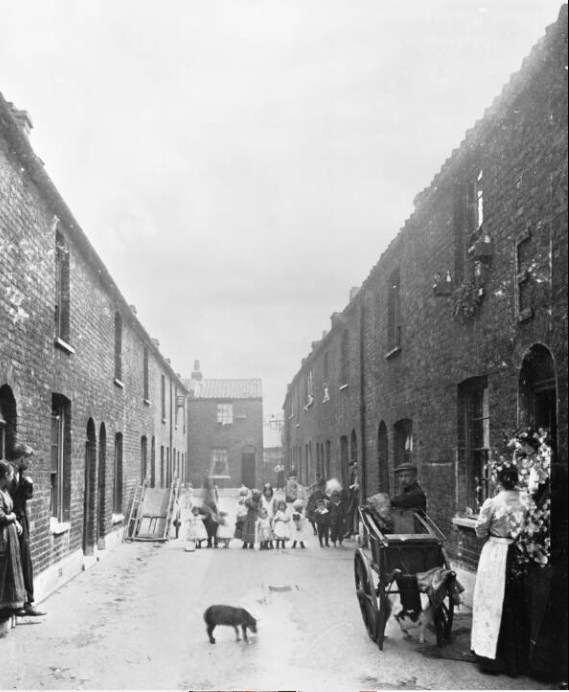
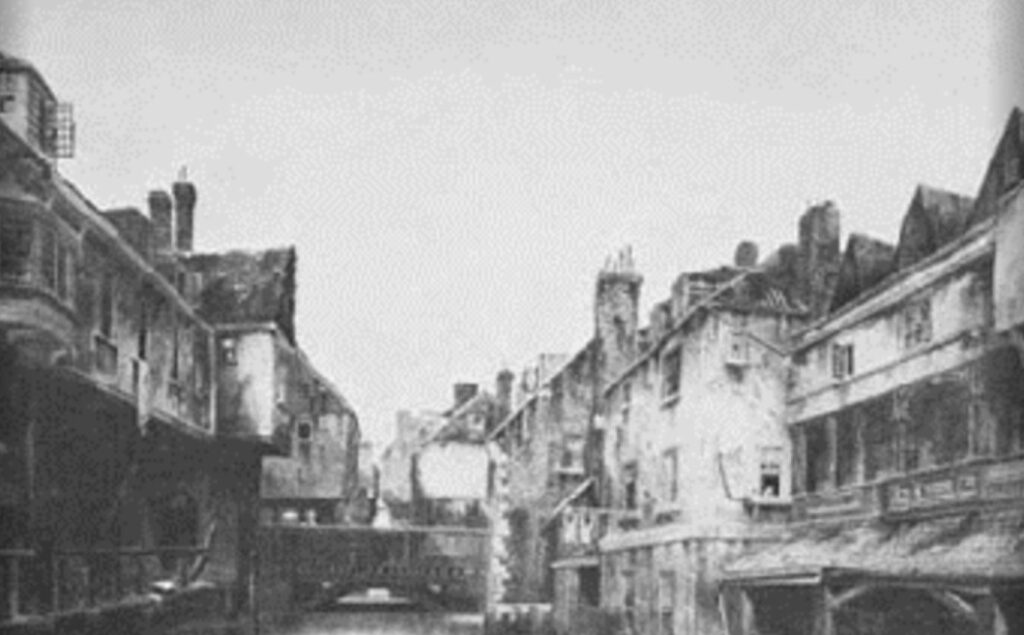
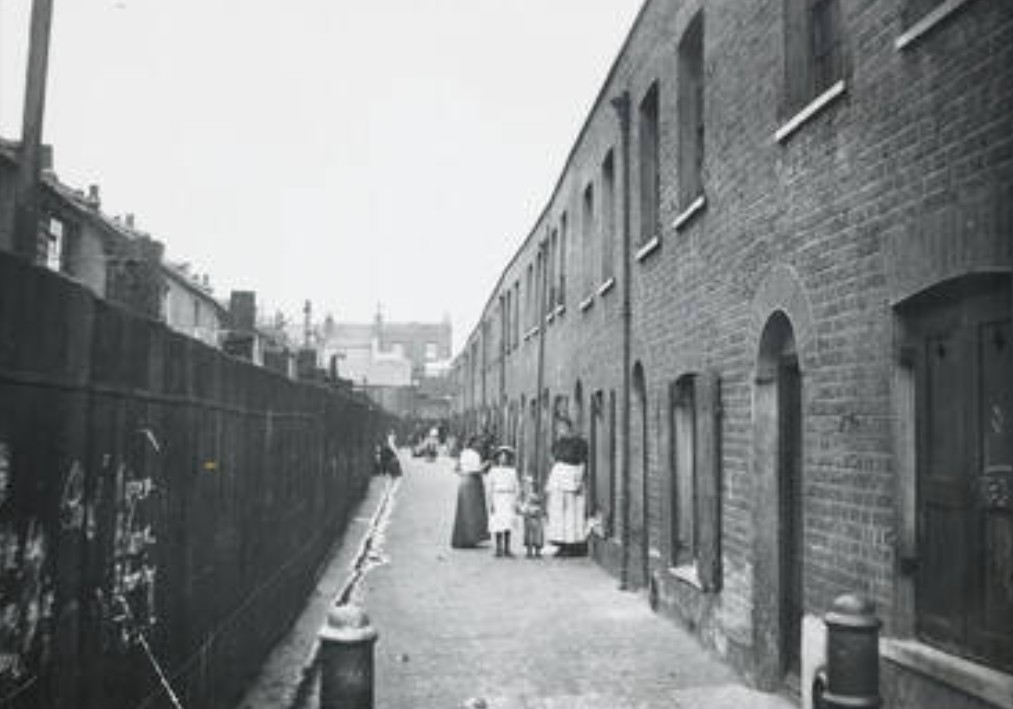
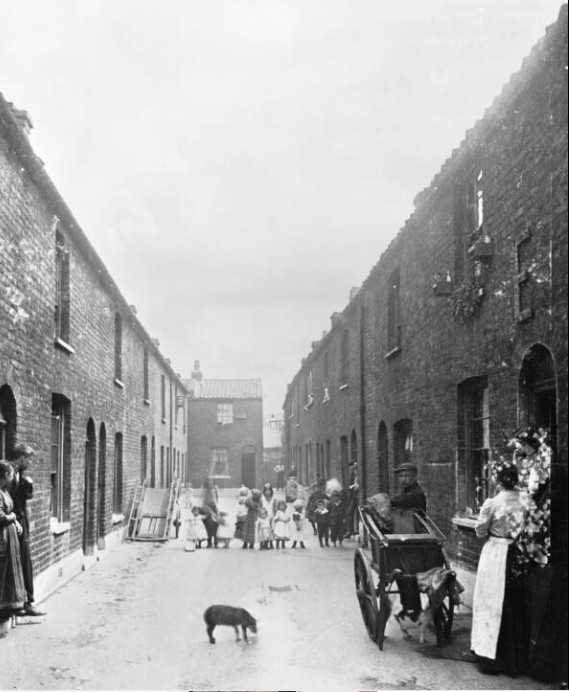
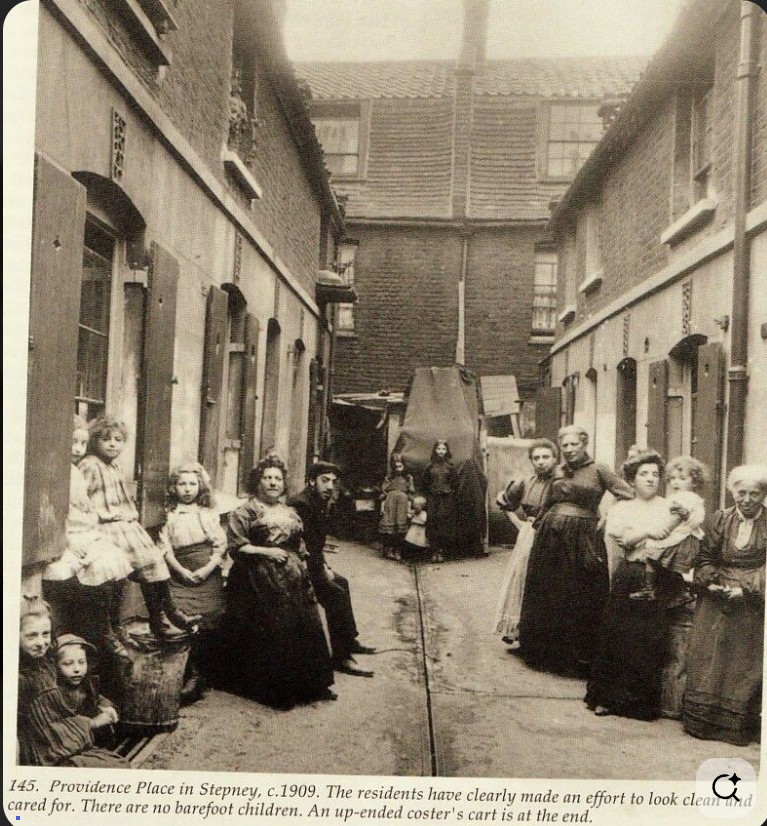
East End of London in 1880
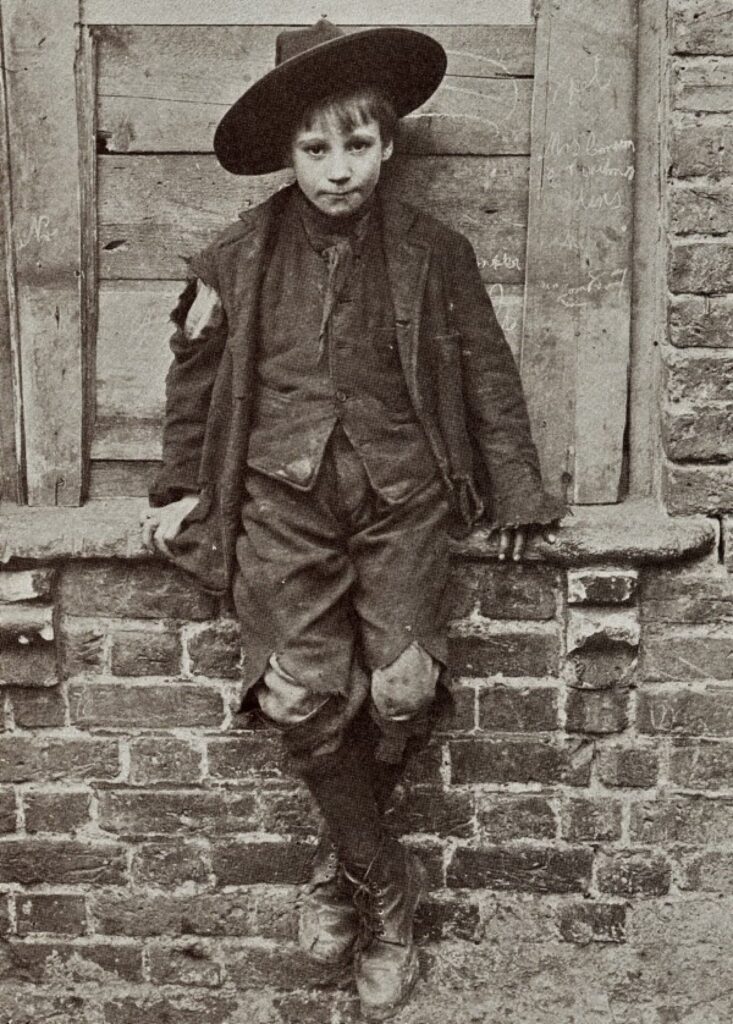
If violence claimed the lives of one in four children before reaching the age of five, I can count myself as one of the lucky ones. Dad’s older brother died in a motor accident. I believe him to be about 14 years.

If violence claimed the lives of one in four children before reaching the age of five, I can count myself as one of the lucky ones. Dad’s older brother died in a motor accident. I believe him to be about 14 years.
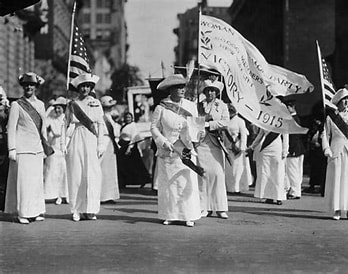
Emmeline was inspired, and by 1908, and the formation of the WSPU in 1902, women were mobilised throughout England and indeed the world. Women wore white, symbolising purity. White is worn by powerful women in today’s political and economic world more to suggest, I believe, an egalitarian society.

Did Emma know about the Pankhursts? Surely so. She was drinking in 1914, probably before William went to war. When he left, the loneliness and weight of looking after eight children would have been crucifying. As a Service wife for twenty years, there were times when I was left, but no longer than two weeks. That time, the washing machine broke down, and the eldest daughter got chicken pox. There was a third burden, but time has erased the memory; I think it was the vacuum cleaner! I do remember the feeling of emptiness.
When did she meet William Francis Kite, my grandfather? Her father was a French polisher, and with William’s father (Frank) being a Japanner, I would presume that they would be chasing each other around while their fathers worked, perhaps sometimes together. The government produced an Educational Act in 1902. The Balfour Act. It provided funds for denominational schools and reduced the divide between Catholic and Protestant, voluntary and schools run by school boards. I doubt Emma benefited despite being young enough (10 years). Perhaps some of her children would. Dad was in Shouldham by 1920, and while he was belittled at one stage for being dumb, he changed that 180 degrees so that he would be picked to go to Australia. It didn’t stop him from lying, a trait he never lost

By 1908, Emma must have felt far older than 26 years. There was a space between the last girl and Dad’s birth. Even with the death of Anthony and Dad not yet born, she was dealing with six children under the age of six. I had three under 4 ½ years, and when the neighbours’ children came over, I felt the world on my shoulders. She, Emma, must have had the internal fortitude of an ancient warrior. Dad used to say I was a descendant of Boadicea, the Iceni queen
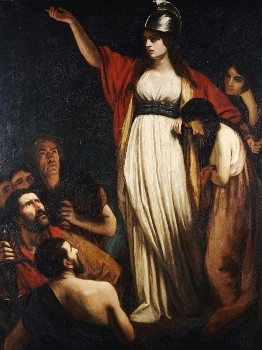
I was so honoured for that to be the case, but it was yet another of Dad’s myths. She came from Norfolk, and that was where Dad was fostered. He lived at Shouldham, and I believe his foster father to be a gardener at Sandringham Palace. I grew up believing it was my birth grandfather. I certainly fell off my pride perch, the other myth being the granddaughter of Rudyard Kipling. Sadly, only a cousin. However, the strength of character has to bubble up from somewhere – osmosis, but probably genetics.
equal opportunity would be alien to the male part of the community, but protests were beginning to be formed claiming the right to vote (suffrage). The Suffragettes were beginning to barnstorm their way across England, and in America, the movement strengthened after the Civil War. Suffrage for women took decades. Equal opportunity has improved, but still a challenge.

William Francis George Kite was born on 21st January 1915
But prostitute or not, with eight children, the priority was food. Aunt Elizabeth told me of the whole family scouring the fields for onion weed to make onion pie. She told of the smell in the air the morning they were taken to Stepney Way, in Bethnal Green, the Barnardo’s Headquarters.
‘She walked down the steps, her dark wavy hair over her shoulders,’ she said, ‘and she had Will in her arms.’
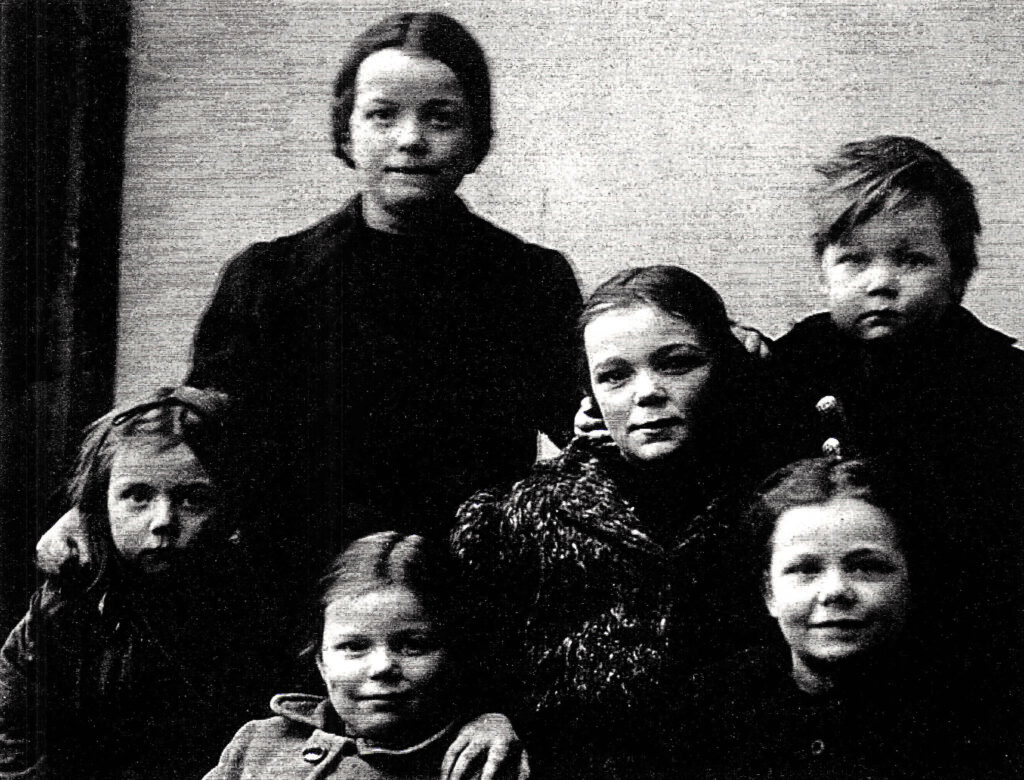
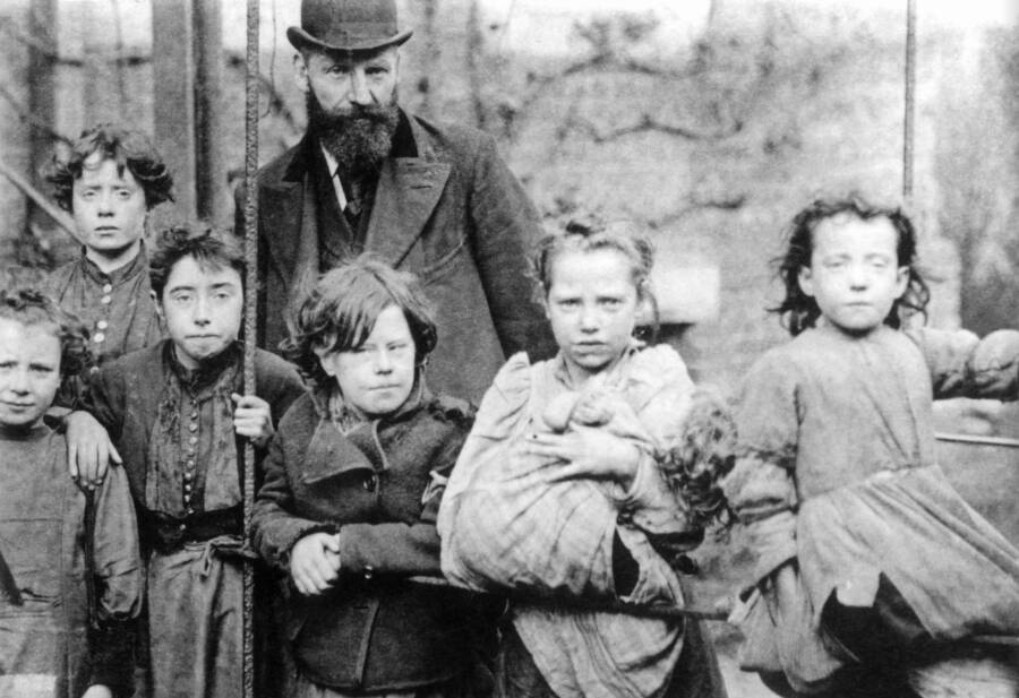
Emma would indeed be a thoughtful mother. The children had warm clothes, and their hair looked tidy. William’s cheeks are chubby and rosy. The photo I have treasured all my life, the one taken on their entry to Barnardo’s, reflects all these positive points. In England, keeping warm would be essential. People would die on the street, sitting on a bench. They would freeze to death. The walls of the shoddy, cheaply built houses were so thin that the cold would creep through. One night in 2016, the first night of a six-week caravan trip through South Australia, I felt a little taste of such a life. We had only the thin wall of the caravan to keep out the cold. We put a heater on (a very noisy, clunky-sounding one) and piled the blankets over us, but the cold just seeped up through the floor. It was a miserable night.
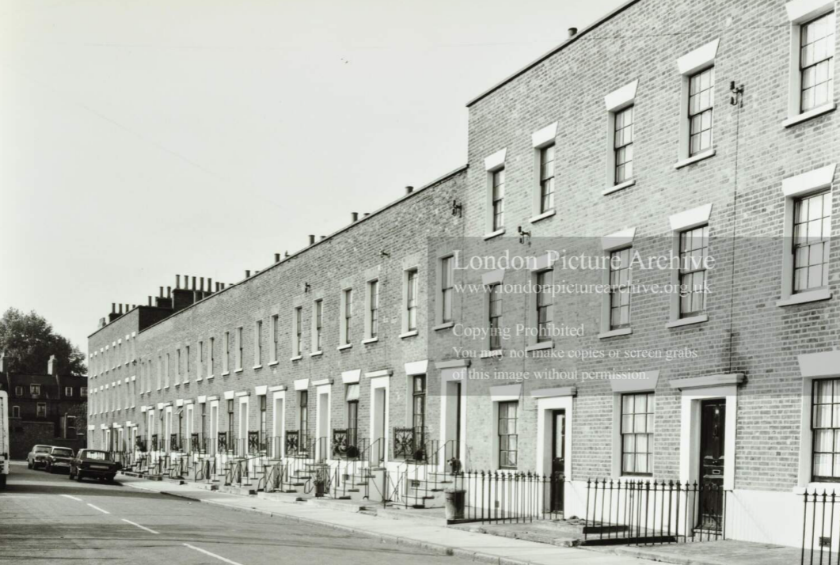
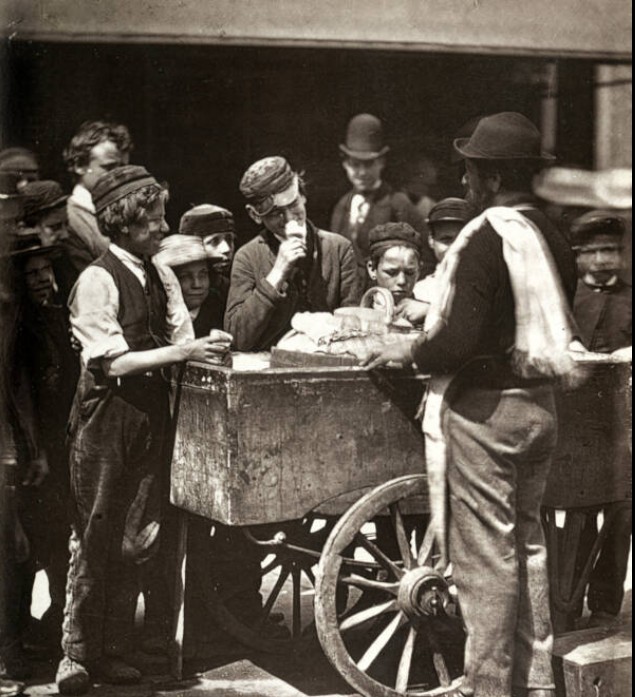
In 1900, people could find a bed for the night if they had two pence in a workhouse. There was no work, so the subsistence from the Government in the form of rent money gave the Kite family a home at St Mary’s Gardens. They were lucky to have one. It is said that prostitutes have better homes than others. The reasoning that they can afford the trimmings of life, and maybe that was why the Kite children escaped the era to some degree. Maybe they didn’t. After all, they were handed over to a third party. My father lived to have his own children, so I am thankful for the decision.
Of the eight children, six were transported to another country. Anthony died in a road accident, and one suspects being run over by some sort of vehicle. Emily, the eldest, was married at nineteen; the suspicion that it was earlier is strengthened by the fact that her brother stood for her when she married Edward Parr. She was over 12 years, the legal age allowed under Canon Law, the age of majority at that time to marry.
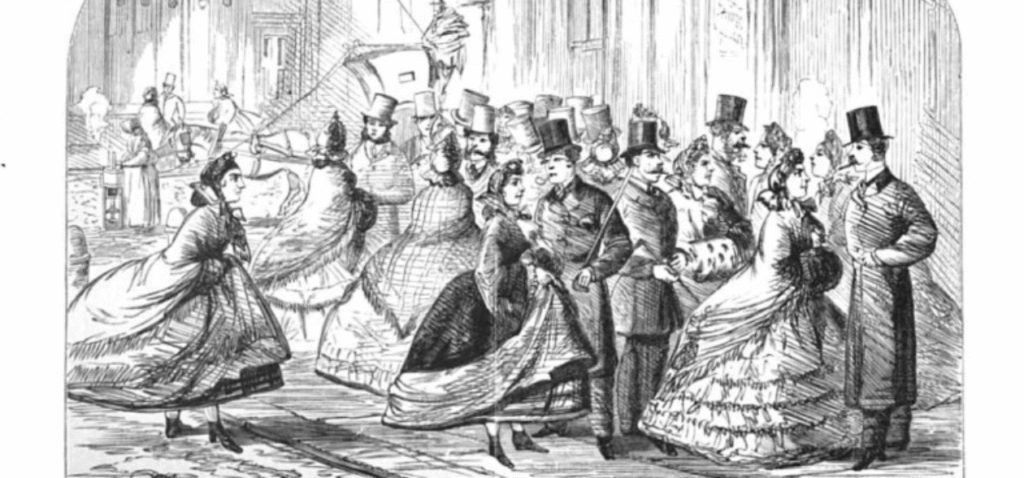
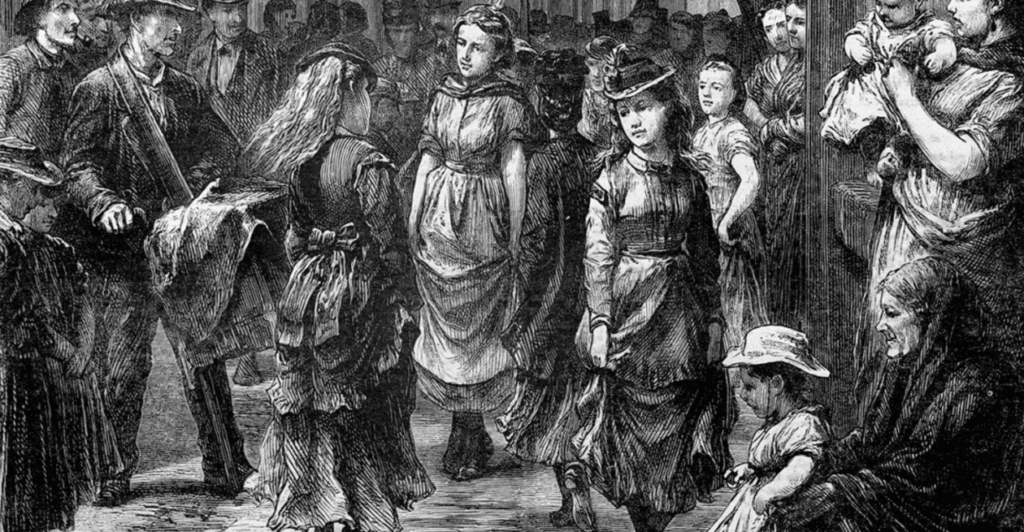
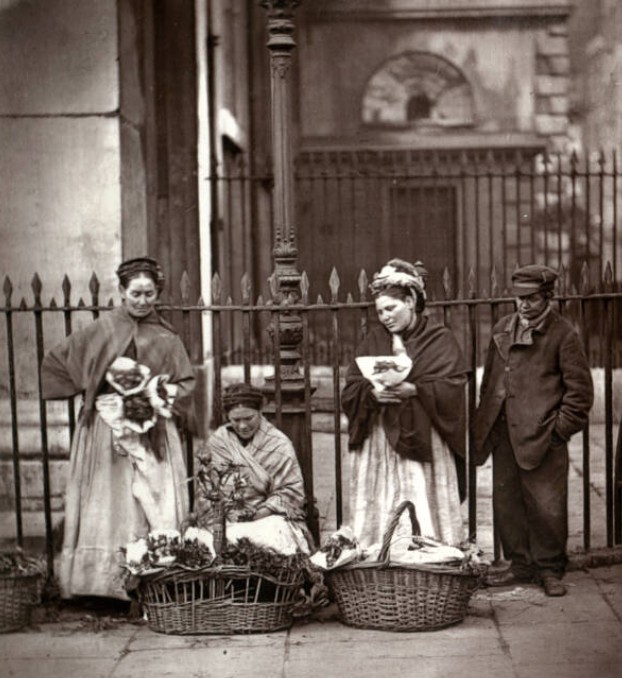
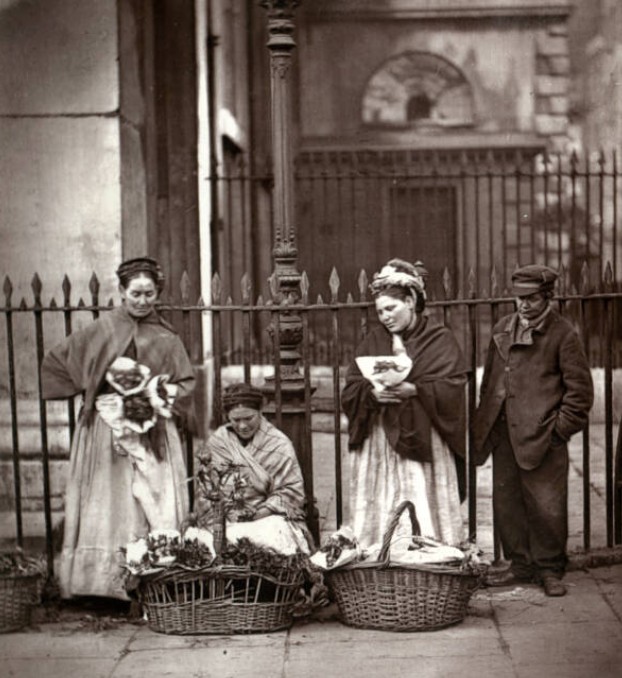
This photo below from Google Images shows women in a long skirt, gathered at the waist, made of cotton or perhaps linen, a cotton shift-type blouse and together sometimes an added belt.
Hats called cart-wheel hats were mostly overblown with artificial flowers and feathers, and all things fancy. Hats remain a part of women’s attire to this day, the racing season a case in point.
Fascinators and the ubiquitous artificial (fake) flowers are still a favourite in 2025.
Emma was beautiful, her grey eyes entranced him, her voice like music when they were alone, like a harp playing. When she was with others, she laughed as hard and as raucously, and when she was angry, the sounds that came from her tiny frame did not match her normal demeanour.
‘Will, help me get some water for a wash for the children, it’s been weeks, and the fleas will be the death of me. I can wash a few clothes then.’
‘Emma, it’s far too much today. I’ve got to meet Jimmy at the pub. Do you want to join us?’
‘Aye, it can wait another day.’

Barnardos’s Headquarters 1915 Stephney Way, Bethnal Green.
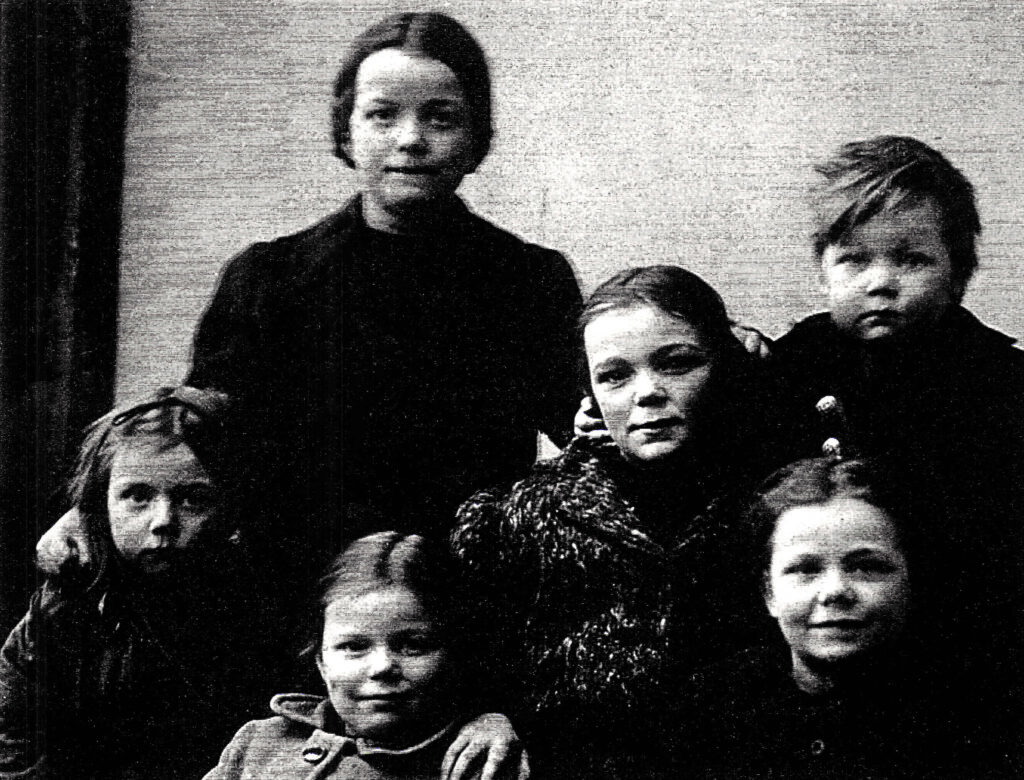
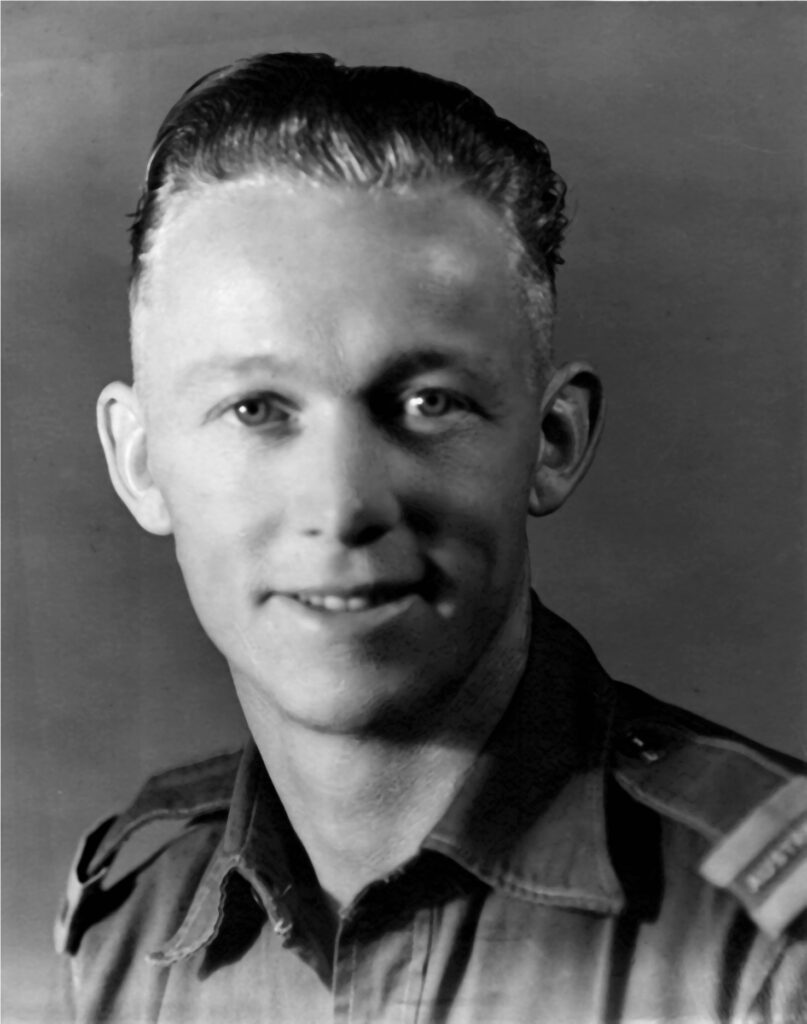

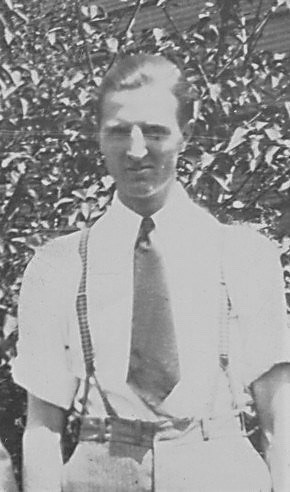


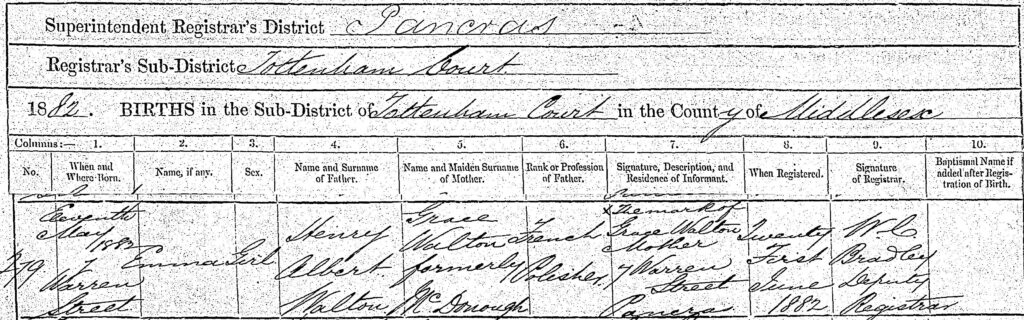
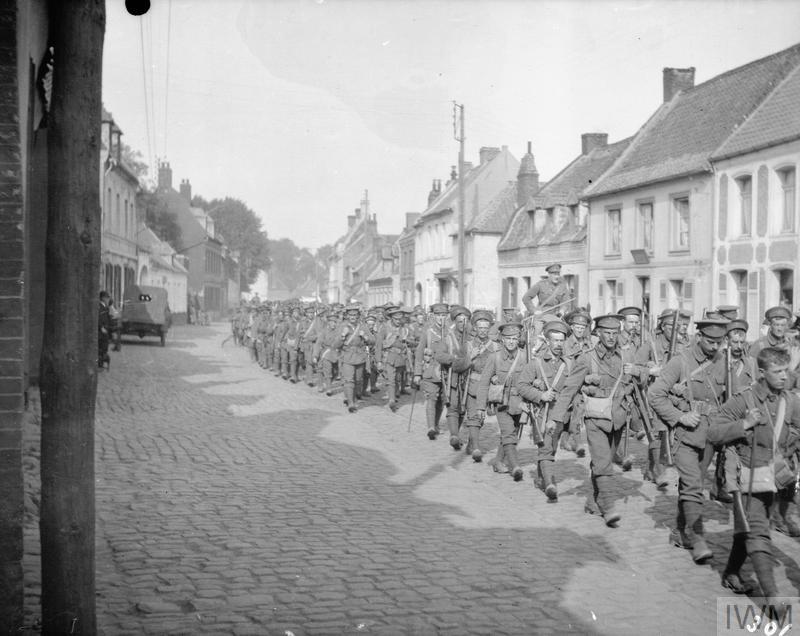
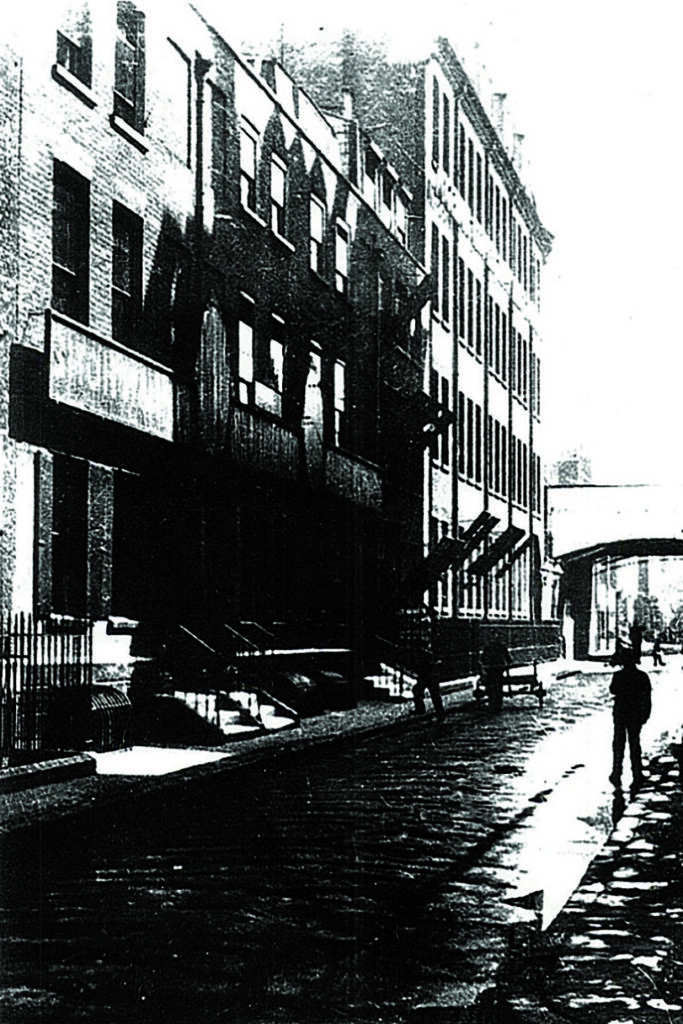


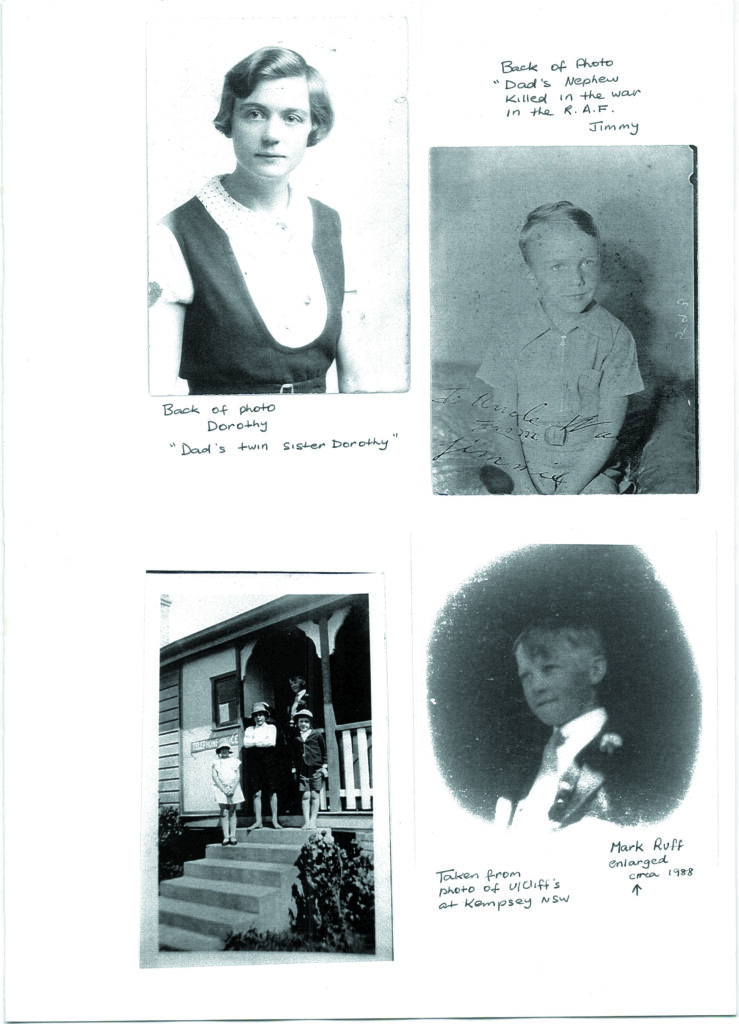
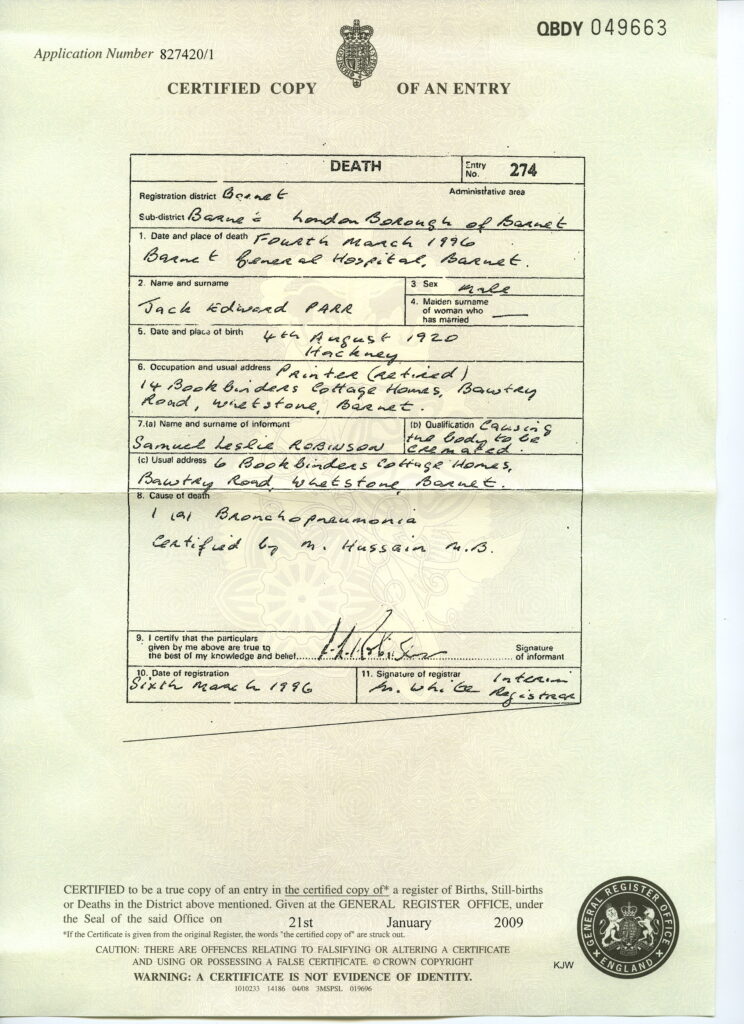
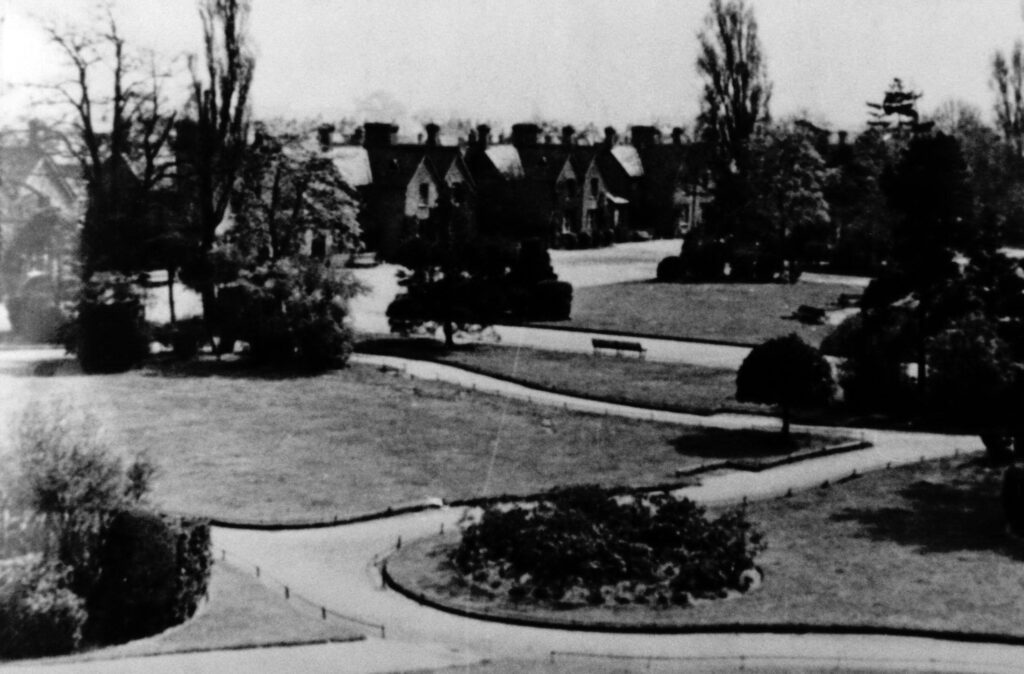

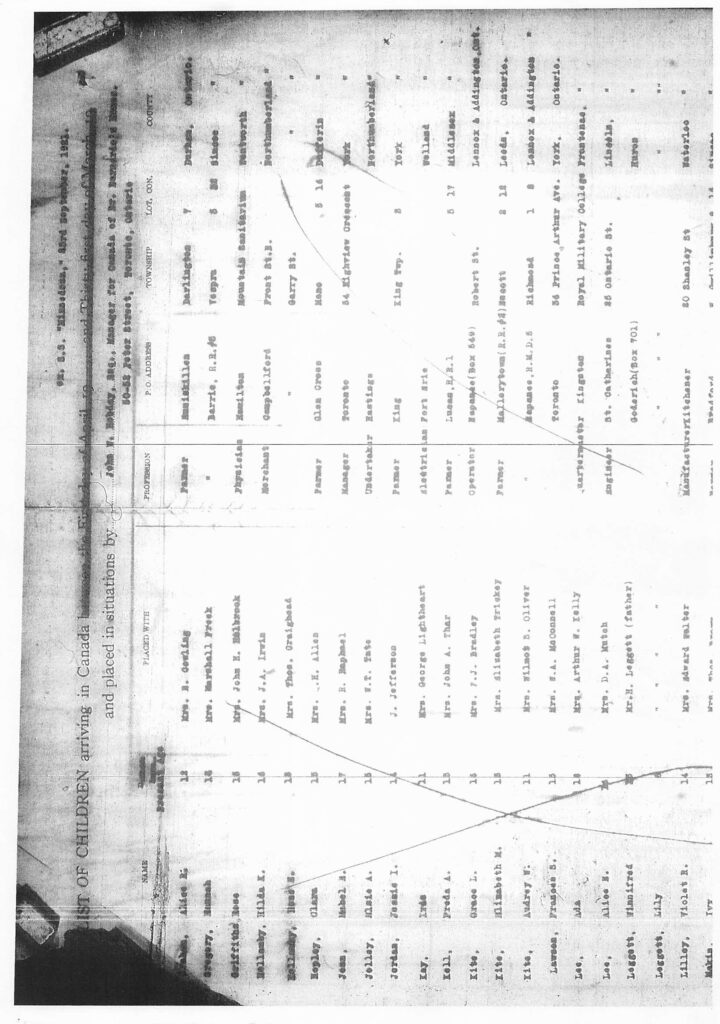

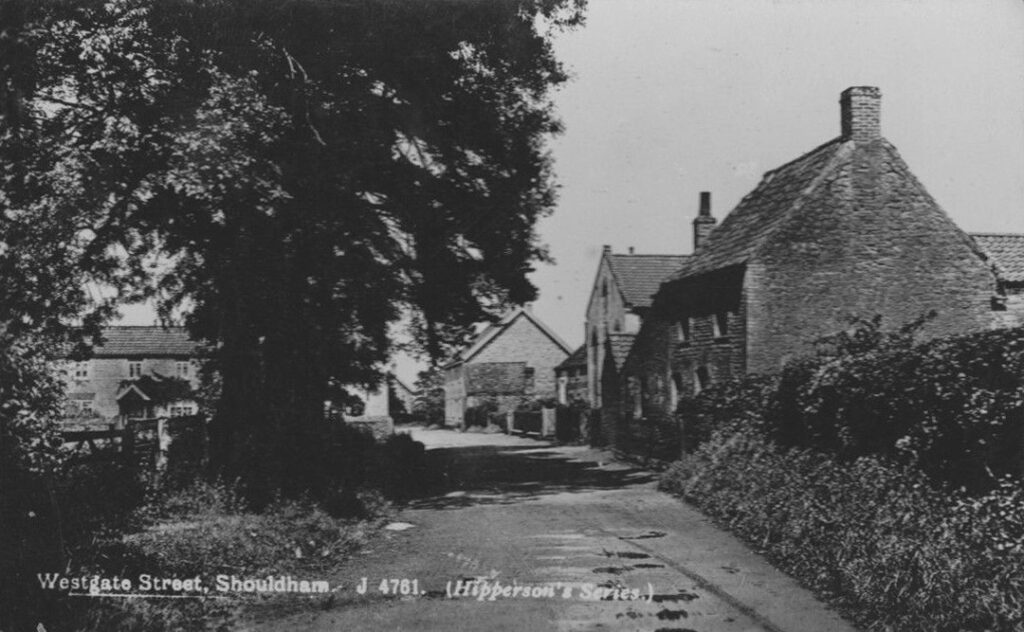

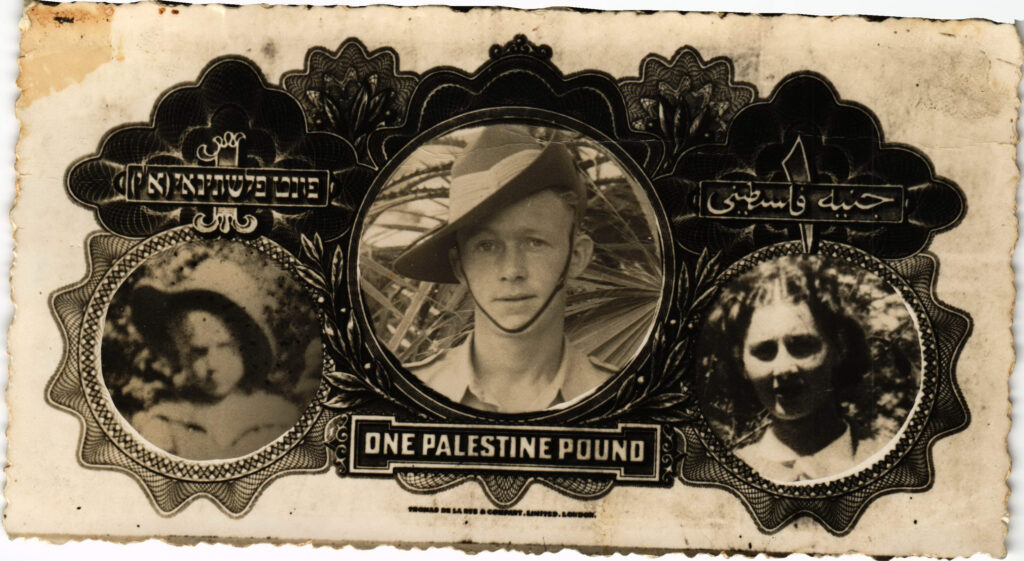


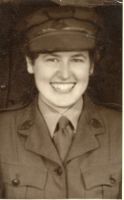

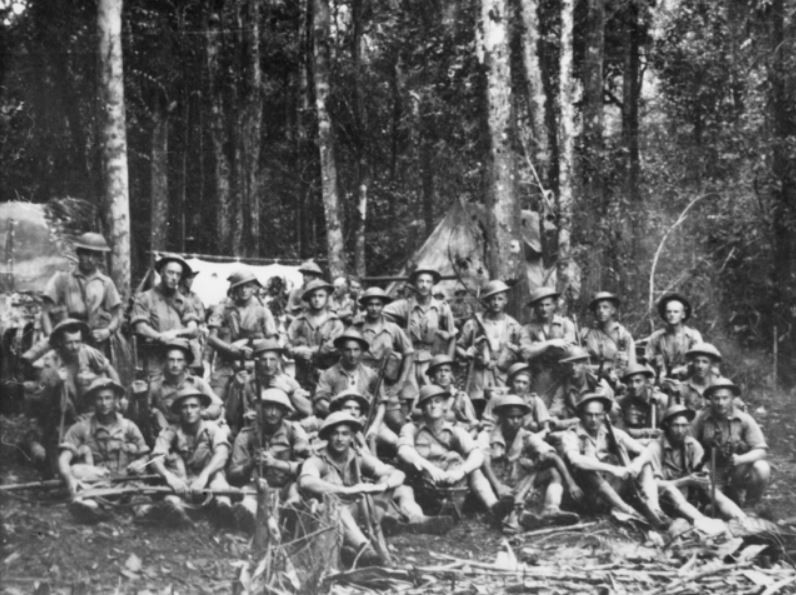






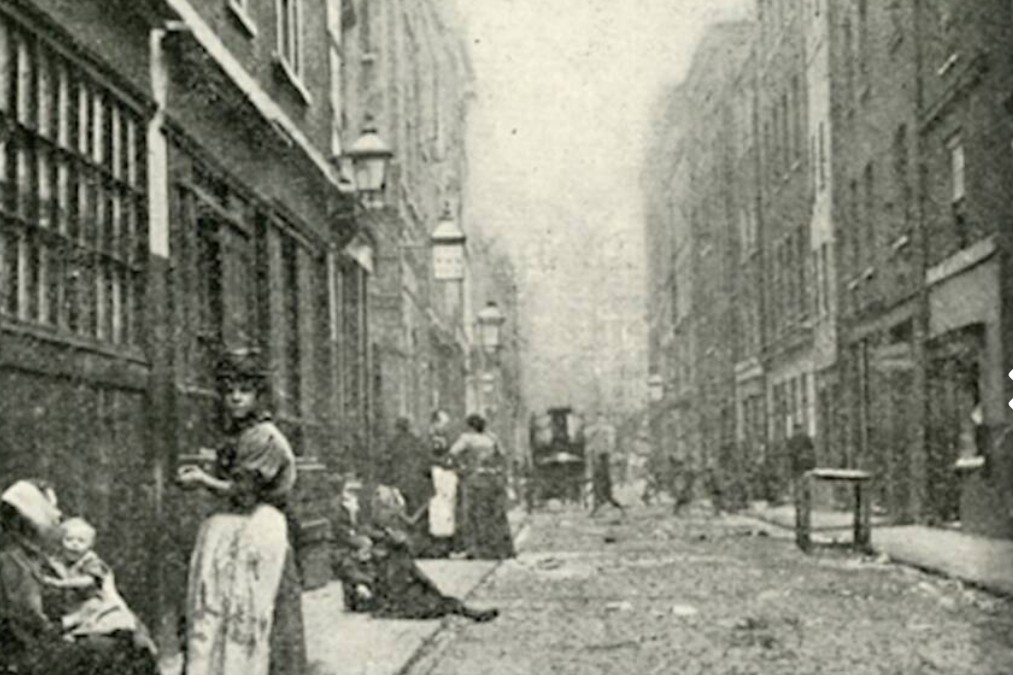
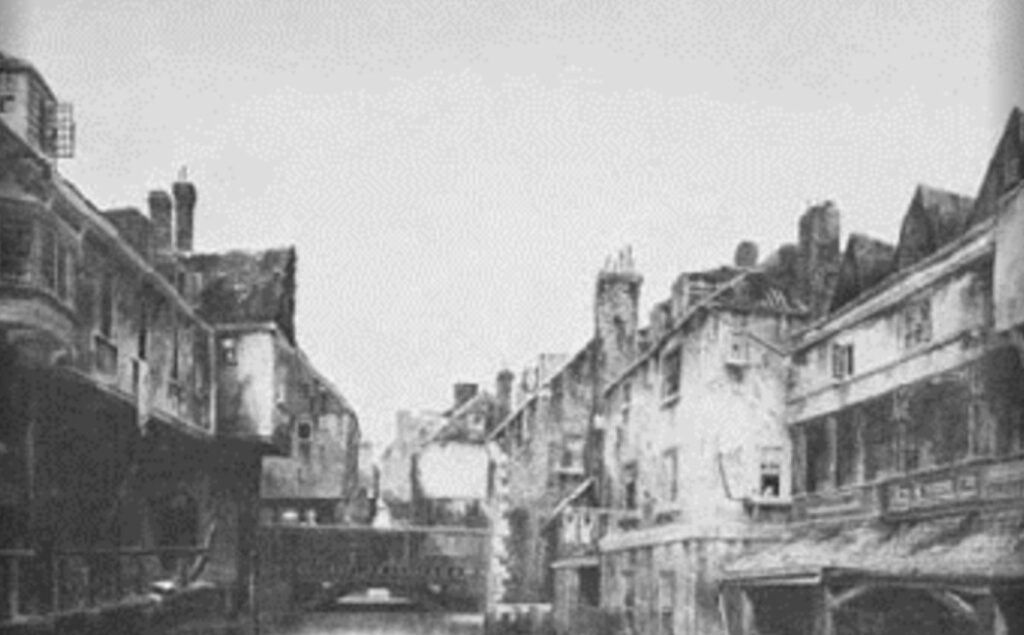
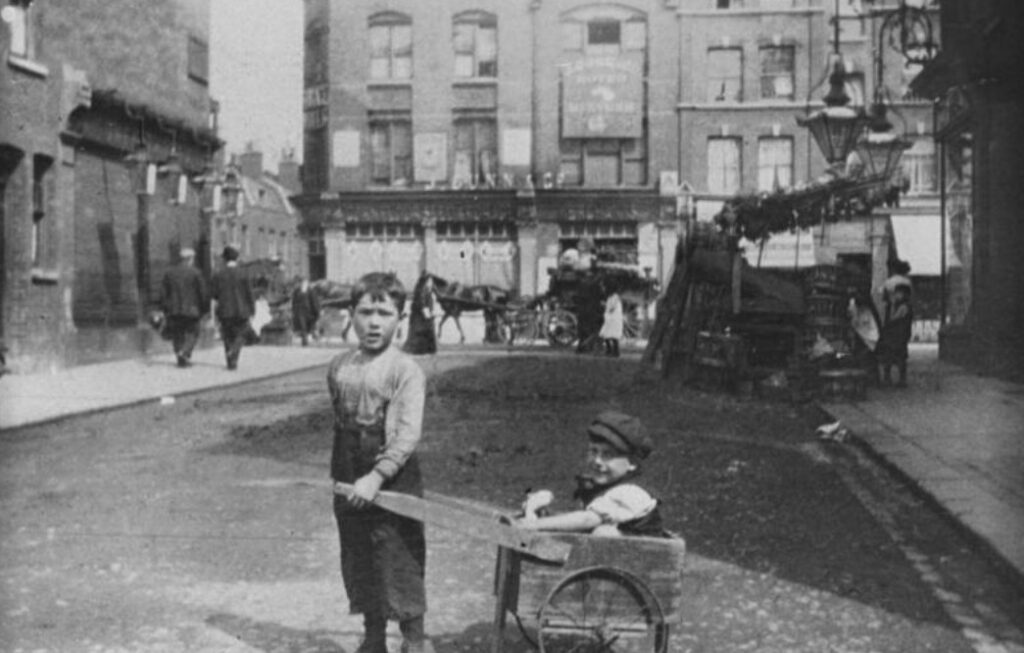
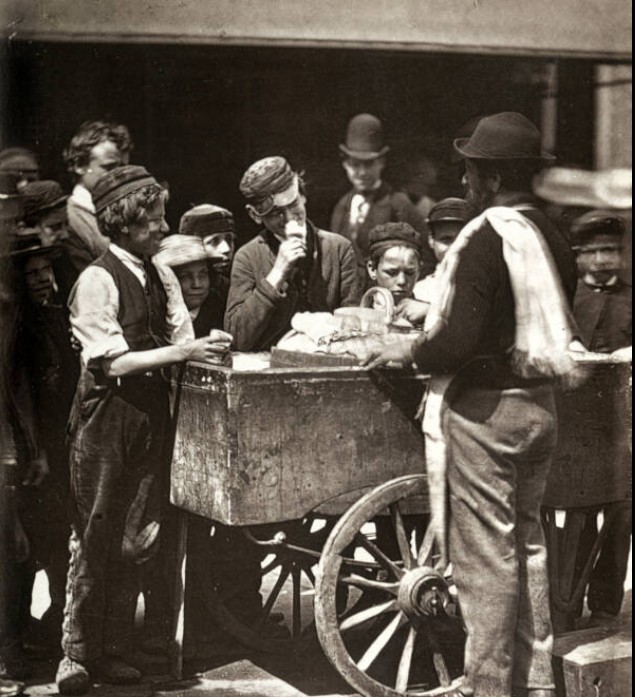






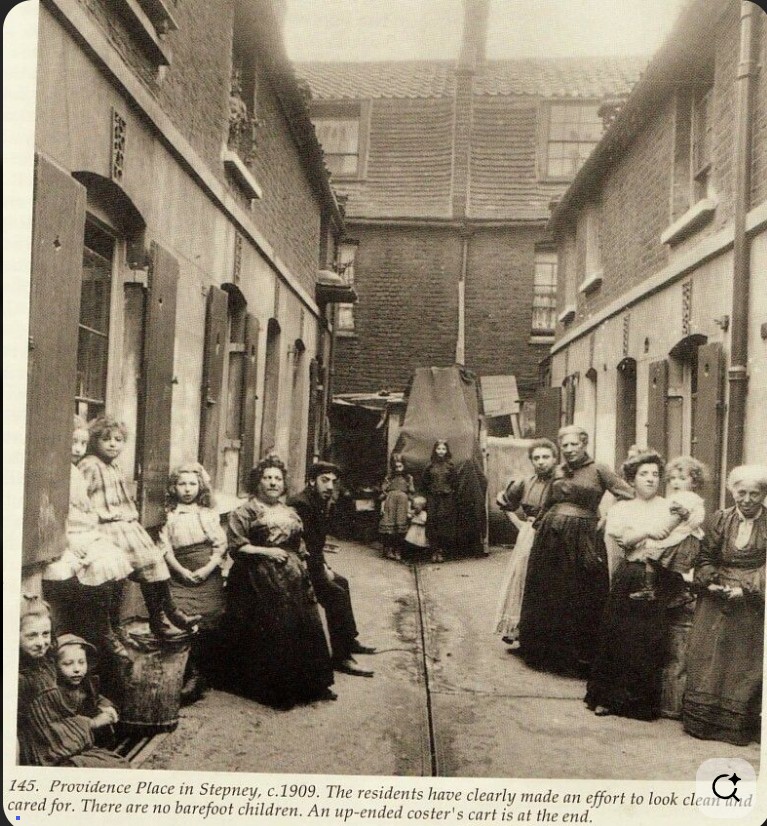
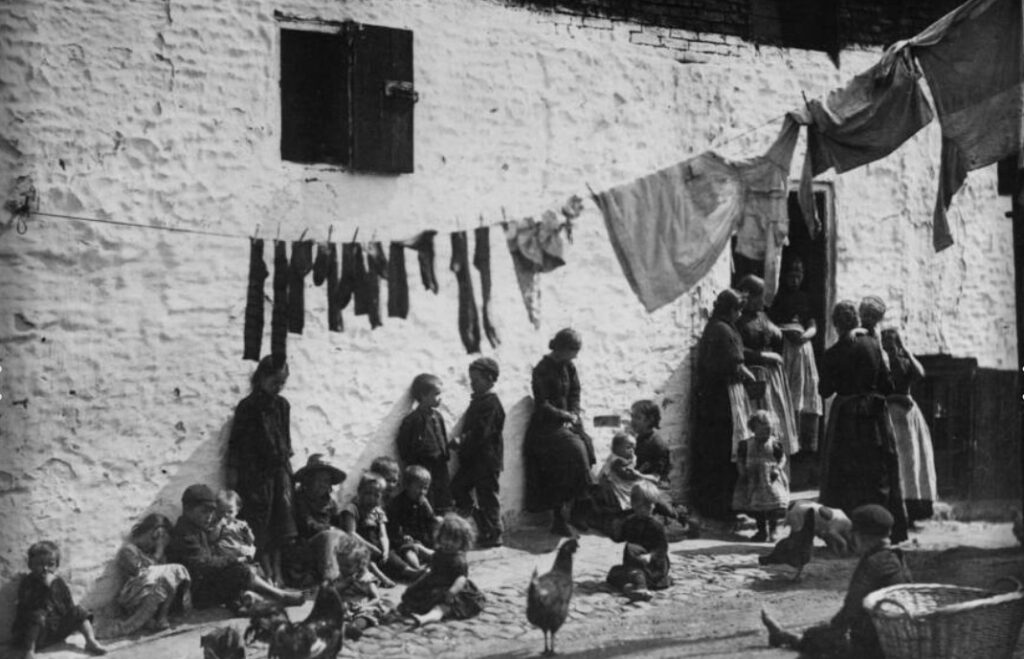
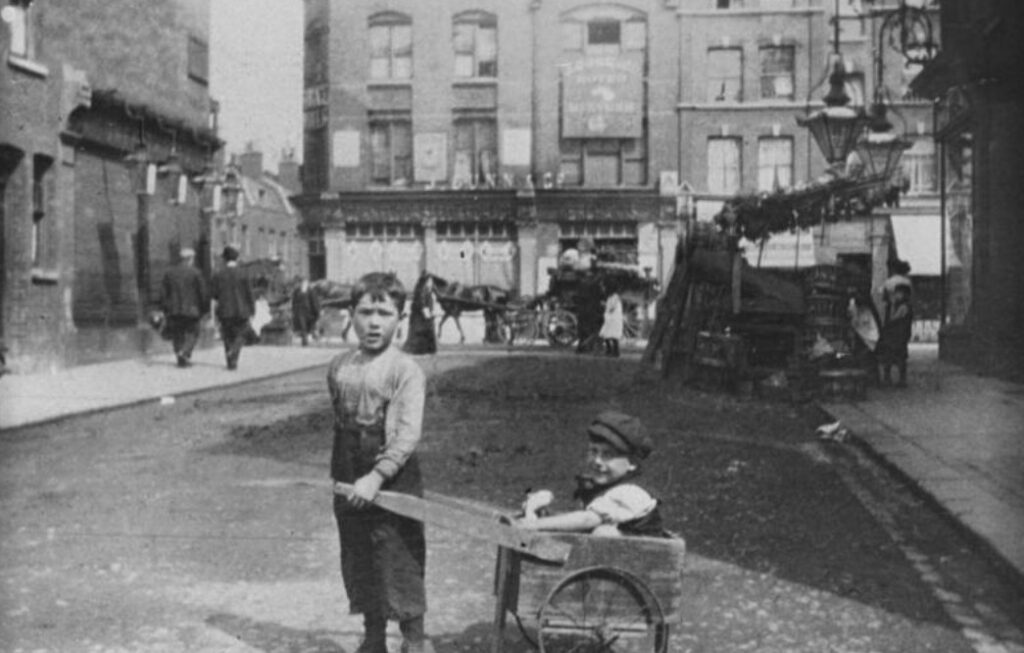
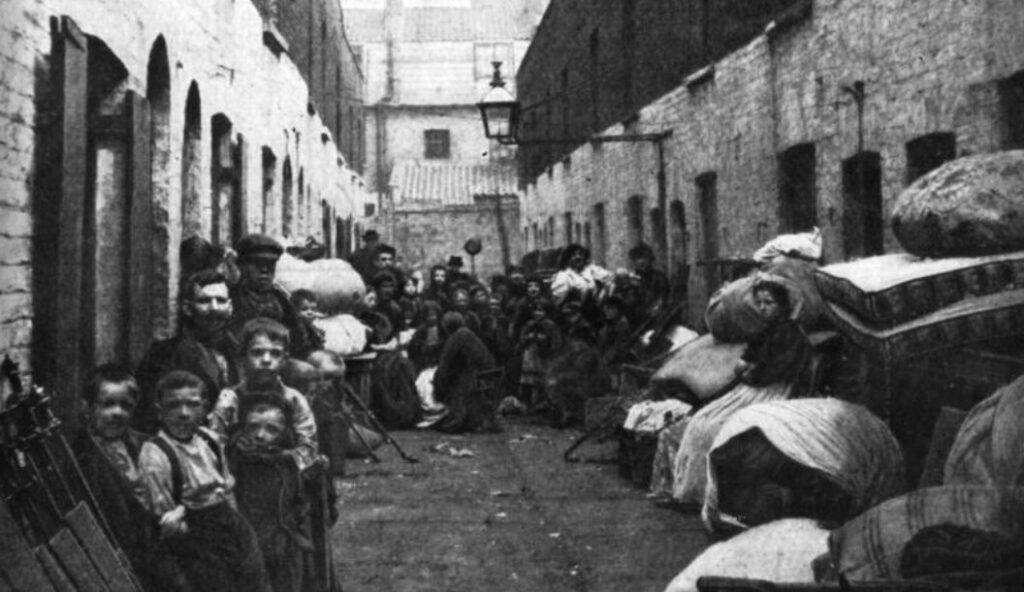
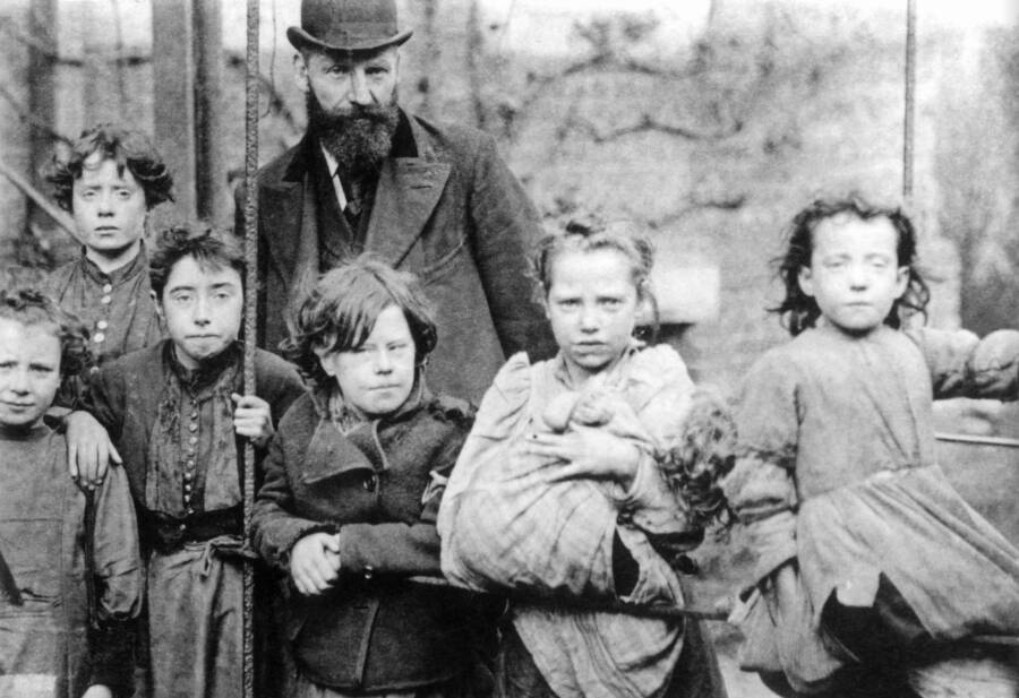
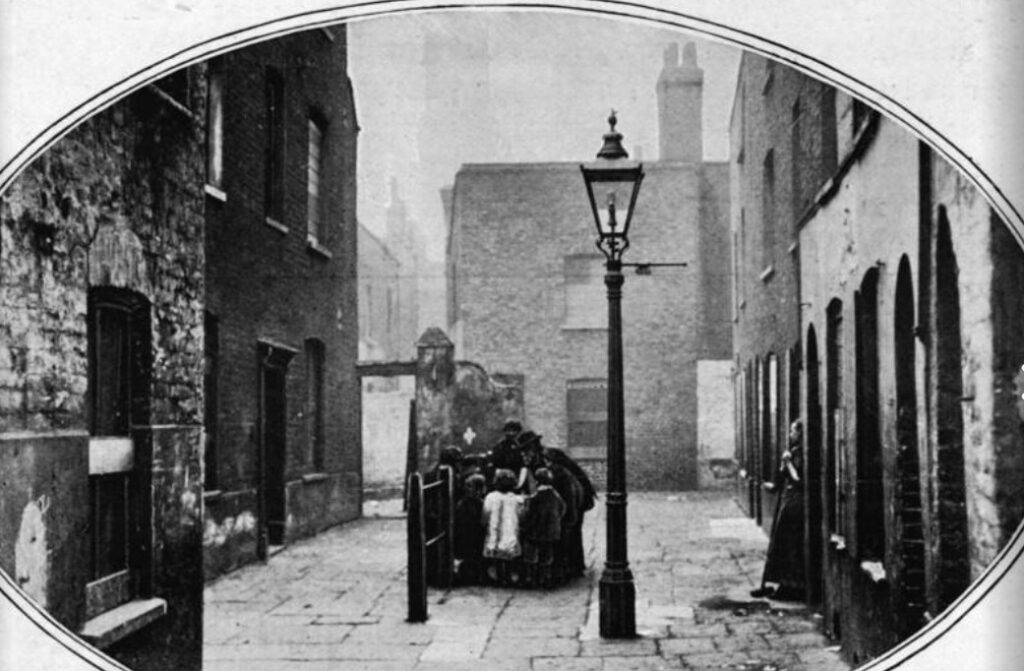
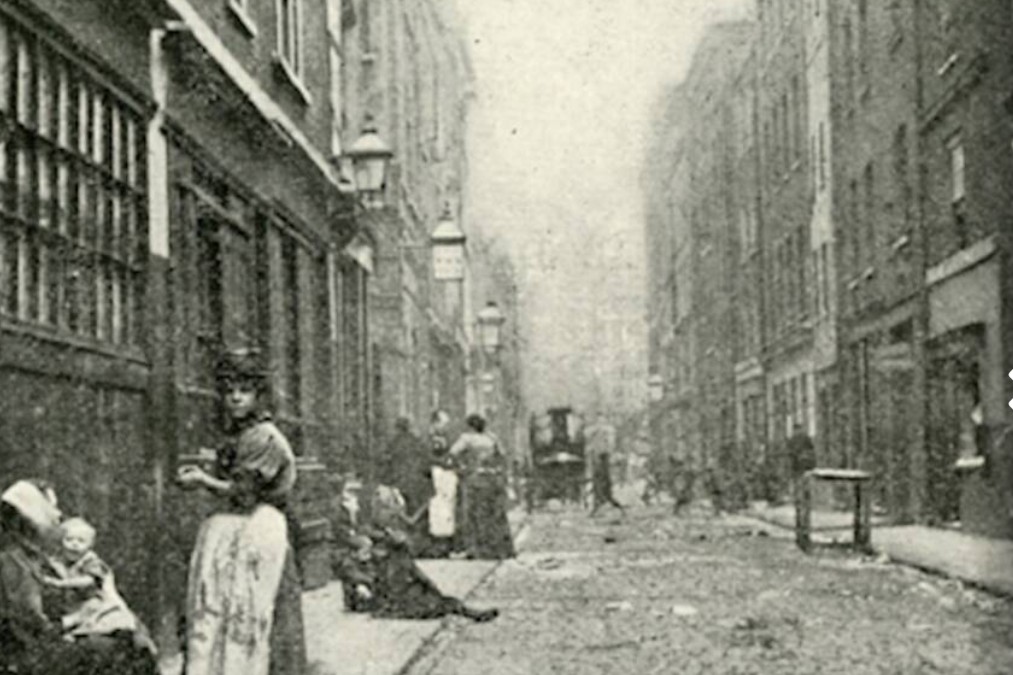
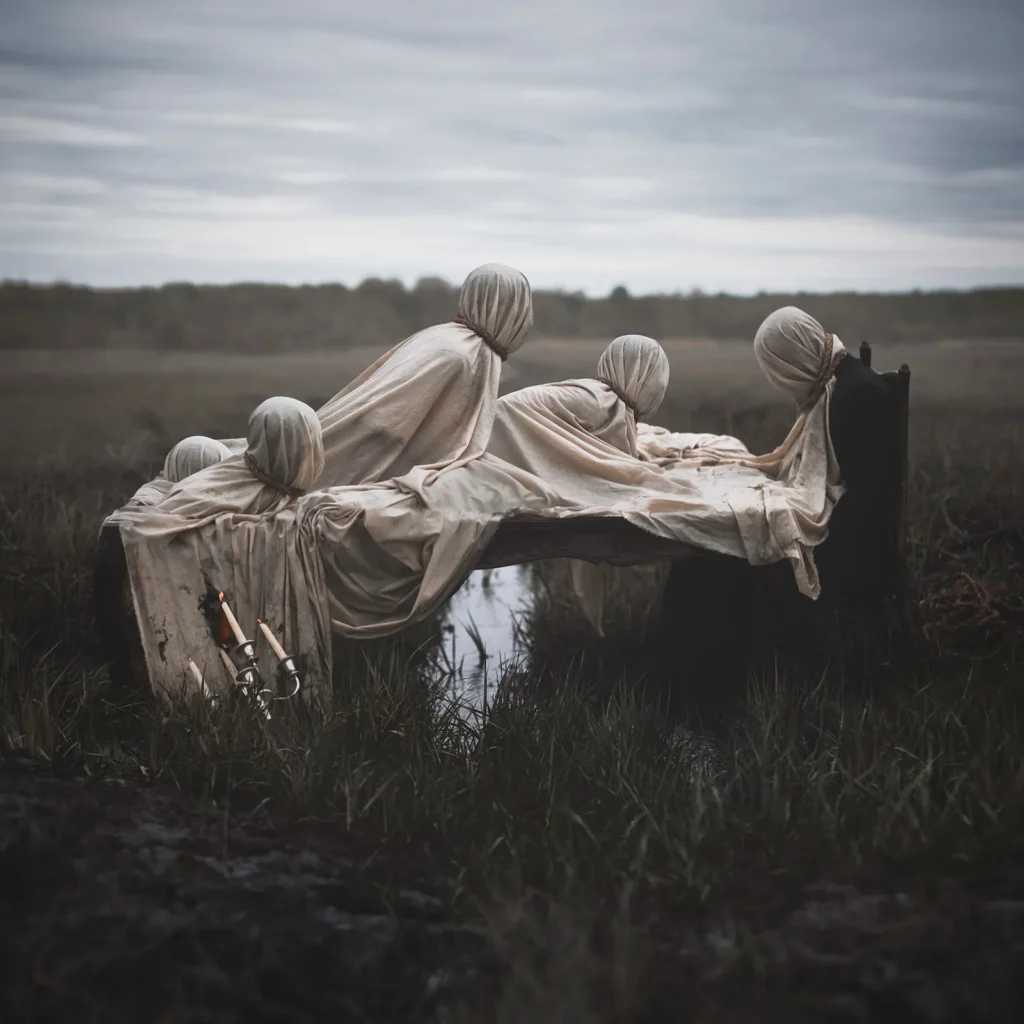



Emma was six weeks in the Horton Asylum. She and three others were buried in a pauper’s grave.
The year 1931 was marked by significant events in the UK
In 1900, people could find a bed for the night if they had two pence in a workhouse. There was no work, so the subsistence from the Government in the form of rent money gave the Kite family a home at St Mary’s Gardens. They were lucky to have one. It is said that prostitutes have better homes than others. The reasoning that they can afford the trimmings of life, and maybe that was why the Kite children escaped the era to some degree. Maybe they didn’t. After all, they were handed over to a third party. My father lived to have his own children, so I am thankful for the decision.
Of the eight children, six were transported to another country. Anthony died in a road accident, and one suspects being run over by some sort of vehicle. Emily, the eldest, was married at nineteen; the suspicion that it was earlier is strengthened by the fact that her brother stood for her when she married Edward Parr. She was over 12 years, the legal age allowed under Canon Law, the age of majority at that time to marry.
In Greece and Rome, brothels were established institutions, but sex work was often performed by slaves. These women were called pornai or ‘free women’. However, the adjective ‘free’ wasn’t really related to their social status, since these individuals were not allowed to get married or take part in public ceremonies. The very first public brothels in Greece had a precise social function: to prevent homosexuality between young men. These houses were often marked with a red phallic painting on the door and illuminated with a lamp, giving rise to the term ‘red light’ district today.
Source: Sex work through the ages | Wellcome Collection
Women turned to prostitution to feed their children
In Greece and Rome, brothels were established institutions, but sex work was often performed by slaves. These women were called pornai or ‘free women’. However, the adjective ‘free’ wasn’t really related to their social status, since these individuals were not allowed to get married or take part in public ceremonies. The very first public brothels in Greece…

Leave a Reply